

Table of Contents
Most freelancers think networking means collecting connections, but that rarely leads to real income. You add people, send a few messages, and… nothing happens. The problem isn’t networking itself, it’s how you’re doing it.
This guide will show you how to shift from shallow connections to strategic relationship-building that generates high-paying freelance clients. By the end, you’ll know how to turn your network into a consistent source of opportunities, not just names on a list.

1. Understand Why Freelance Networking Is Your Biggest Income Driver
If you look closely at how most freelancers land their best clients, a pattern emerges, it’s rarely through cold outreach. It’s through referrals, relationships, and visibility within the right circles.
Networking isn’t just a “nice-to-have” skill; it’s one of the most reliable ways to generate high-paying freelance opportunities. According to insights highlighted in the ebook, a large percentage of freelancers attribute their success to networking, with many of their highest-paying clients coming directly from their network .
When you invest in networking, you’re not just building contacts, you’re building a pipeline of future work. A single strong relationship can lead to repeat projects, referrals, and collaborations that outperform dozens of cold pitches.
Think of networking as a long-term asset. The stronger your network, the less you need to rely on inconsistent lead generation methods.
2. Focus on Building Genuine Relationships (Not Transactions)
One of the biggest mistakes freelancers make is approaching networking with a transactional mindset, “What can I get from this person?”
The reality is, high-value networking is rooted in authentic relationship-building. People are far more likely to work with someone they trust and like.
Instead of pitching immediately, focus on understanding the other person. Ask about their work, challenges, and goals. Offer insights or help where relevant.
The ebook emphasizes that effective networking is about cultivating meaningful relationships over time, not just exchanging contacts .
When you consistently provide value without expecting immediate returns, you build trust. And trust is what ultimately turns conversations into clients.
3. Use LinkedIn Strategically for Freelance Networking
LinkedIn is one of the most powerful platforms for freelance client acquisition, but only if used strategically.
Most freelancers treat LinkedIn like a static resume. Instead, you should treat it as an active networking ecosystem. Optimize your profile with clear positioning and keywords like freelance consultant, SEO expert, or branding specialist.
Then focus on engagement. Comment on posts from your target clients, share insights, and publish content that demonstrates your expertise.
The ebook highlights LinkedIn as a key platform for professional networking, enabling freelancers to connect with decision-makers and collaborators .
The more visible and valuable you are on LinkedIn, the more inbound opportunities you attract—without needing to chase them.
4. Leverage Online Communities for High-Quality Opportunities
Beyond LinkedIn, some of the best networking happens in online communities, Slack groups, forums, Discord servers, and niche platforms.
These spaces are often less competitive and more relationship-driven. Instead of pitching, your goal should be to contribute meaningfully. Answer questions, share insights, and participate in discussions.
The ebook describes these communities as “goldmines” for networking, where consistent participation can lead to recognition and trust .
Over time, people start to associate your name with expertise. When opportunities arise, you’re top of mind.
This is where networking shifts from passive to proactive, without being pushy.
This long-term approach leads to repeat business, referrals, and collaborations. Over time, your network becomes a compounding asset that continuously generates opportunities.
5. Master Smart In-Person Networking Tactics
While digital networking is essential, in-person networking still offers unmatched impact. Face-to-face interactions build stronger, faster connections.
The key is to approach events strategically. Instead of trying to meet everyone, focus on having a few meaningful conversations. Prepare a concise introduction that clearly communicates what you do and who you help.
The ebook emphasizes that quality matters more than quantity in in-person networking—deep conversations create stronger connections than superficial ones .
Also, listen more than you talk. People remember those who show genuine interest.
A single well-nurtured connection from an event can lead to long-term opportunities.
6. Follow Up Effectively (This Is Where Most Fail)
Networking doesn’t end after the first interaction. In fact, that’s where it truly begins.
Most freelancers lose opportunities because they fail to follow up, or they do it poorly. A good follow-up is simple, personalized, and timely.
Reference your previous conversation. Add value, share a relevant resource, insight, or idea. Keep it natural, not salesy.
The ebook highlights the importance of timely follow-ups in strengthening relationships and maintaining momentum .
Consistent follow-ups keep you top of mind, which is crucial when opportunities arise later.
7. Turn Connections Into Real Opportunities
Having a large network means nothing if it doesn’t translate into work. The key is knowing how to activate your network.
Start by being clear about what you offer and the type of clients you want. When people understand your positioning, they’re more likely to refer you.
Don’t hesitate to ask for introductions or collaborations, but do it naturally and respectfully. For example, you might say:
“If you come across anyone needing [your service], feel free to connect us.”
The ebook explains that leveraging your network involves clearly communicating your goals and seeking opportunities through introductions and collaborations .
When done right, your network becomes a consistent source of high-quality leads.
8. Maintain Long-Term Relationships for Sustainable Growth
The real power of networking isn’t in initial connections, it’s in long-term relationship management.
Stay in touch regularly. Share updates, congratulate achievements, or simply check in. Small gestures keep relationships alive.
The ebook emphasizes nurturing relationships over time as a key factor in building a strong professional network .
Ready to Build a Freelance Brand That Attracts Clients?
Stop chasing random advice and start building a brand that gets noticed, trusted, and paid with a clear system that works.
Final Verdict
Networking is not about collecting contacts, it’s about building a system that consistently brings opportunities your way. When done right, it becomes your most powerful strategy for landing high-paying freelance clients without constant outreach.
By focusing on genuine relationships, strategic platforms, and consistent follow-up, you transform your network into a reliable income driver.
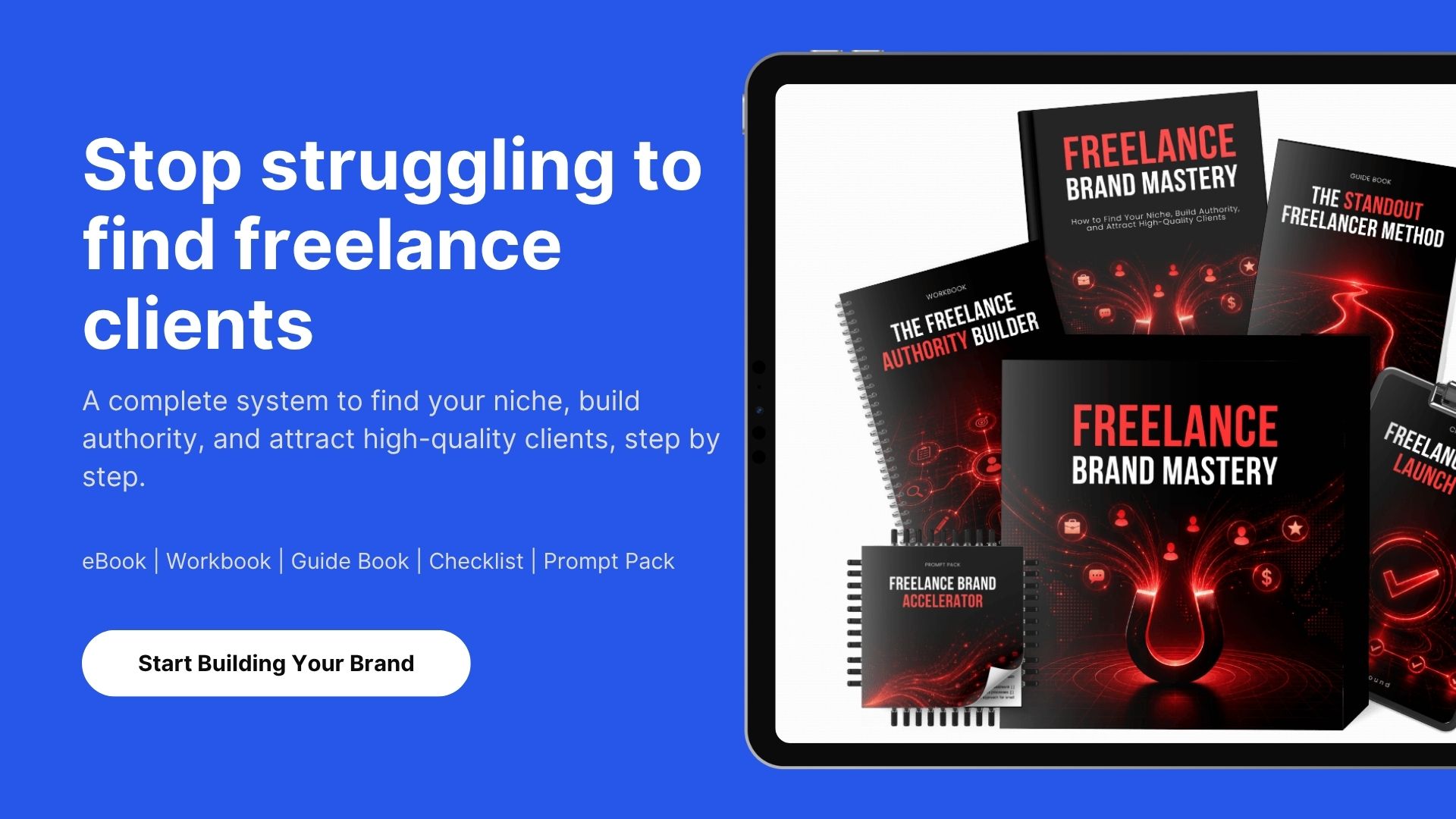
If you want to go deeper, I’ve included advanced networking scripts, outreach frameworks, and relationship-building strategies inside the Freelance Brand Mastery ebook. It’s designed to help you turn your connections into real, revenue-generating opportunities faster.
Frequently Asked Questions
How do freelancers get clients through networking?
Freelancers get clients through referrals, relationships, and visibility. Strong networks increase trust, making clients more likely to hire without extensive pitching.
Is LinkedIn the best platform for freelance networking?
For B2B services, yes. LinkedIn provides direct access to decision-makers, making it one of the most effective platforms for client acquisition.
How often should I follow up with connections?
Follow up within 24–48 hours after the first interaction, then maintain periodic contact every few weeks or months depending on relevance.
Can introverts succeed in networking?
Absolutely. Introverts often excel in deeper, one-on-one conversations, which are more effective than large-scale superficial networking.
What is the biggest networking mistake freelancers make?
Treating networking as transactional. Building genuine relationships and providing value leads to far better long-term results.