
Hiking is all about freedom and discovery, but the right gadgets can make the difference between a smooth adventure and a stressful one. From staying oriented on unfamiliar trails to ensuring safe drinking water, smart gear choices dramatically improve both safety and comfort. Investing in reliable hiking technology lets you focus less on logistics and more on enjoying the journey.

Disclosure: As an Amazon Associate, I earn from qualifying purchases. This means that if you click on a link and make a purchase, I may receive a small commission at no additional cost to you.
Quick Look
Why You Need a Good Hiking Gear Kit
Hiking is an unforgettable way to connect with nature, challenge your limits, and explore the great outdoors. But without the right gadgets, even a beautiful trail can turn frustrating or unsafe. Investing in quality hiking gadgets helps you travel farther, safer, and more comfortably.
The Core Benefits
• Boost Safety: From reliable navigation to hydration solutions, the right tools reduce risk on the trail.
• Enhance Comfort: Lighting, tracking, and communication gear make long days more enjoyable.
• Improve Reliability: Durable tech is built for rugged conditions, giving you peace of mind.
• Extend Adventure Time: Long battery life and efficient design make multi-day hikes easier.
Buying Tips When Choosing Essential Hiking Gadgets
Rugged Smartwatch
Look for military-grade durability, water resistance, and strong GPS accuracy, along with long battery life or solar charging for extended hikes. Health and navigation features are a bonus, but reliability in harsh conditions matters most.
Headlamp
Choose a headlamp with sufficient brightness for night hiking, multiple light modes, and a comfortable, adjustable strap. Battery efficiency and weather resistance are key for dependable use outdoors.
Portable Water Purifier
Prioritize filtration effectiveness against bacteria and protozoa, along with ease of use in natural water sources. Lightweight designs with no reliance on batteries are ideal for long or remote hikes.
Emergency Whistle
A good emergency whistle should be loud, lightweight, and easy to access at all times. Multi-function designs add value, but signaling strength and durability are non-negotiable.
Offline GPS Device
Select a GPS unit with strong satellite support, offline maps, and long battery life using replaceable batteries if possible. A sunlight-readable screen and physical buttons improve usability in challenging outdoor conditions.
In-Depth Analysis
#1 Product 1
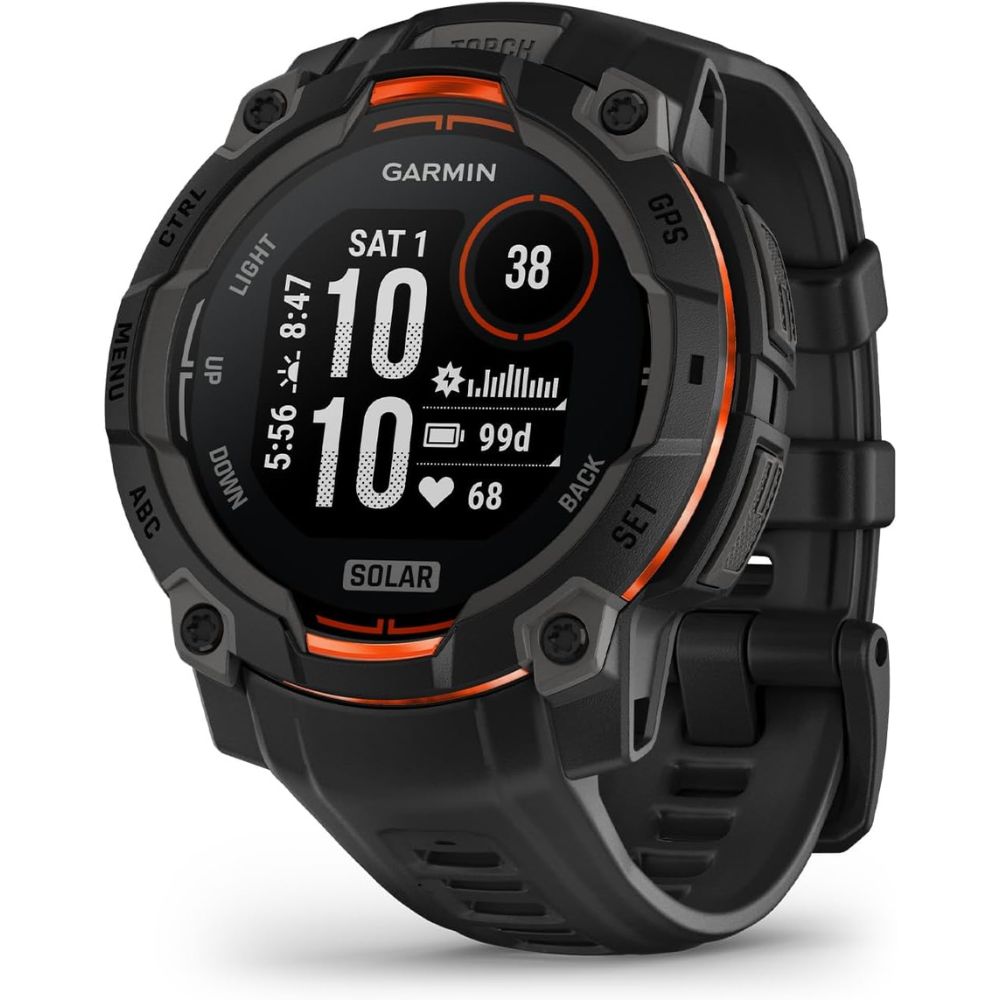
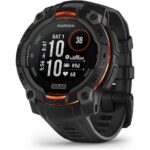
The Garmin Instinct 3 Solar is a top-tier companion for hikers who want smart tech that truly lasts. Its solar charging lets you hike for days without worrying about power, and the robust GPS combined with built-in navigation sensors gives reliable positioning even under tree cover or in remote terrain. The LED flashlight and rugged construction underscore just how trail-ready this watch is, while advanced health tracking helps hikers monitor exertion and recovery on multi-day trips.
Pros:
- Exceptional battery longevity, rugged and waterproof build, accurate multisystem GPS, useful built-in flashlight
Cons:
- It can be complex for beginners, the non-touchscreen button interface may feel dated, and advanced features have a learning curve
Ideal for seasoned hikers, backpackers, and outdoor adventurers who want a combination of navigation, durability, and long battery life.
#2 Energizer Universal+ LED Headlamp
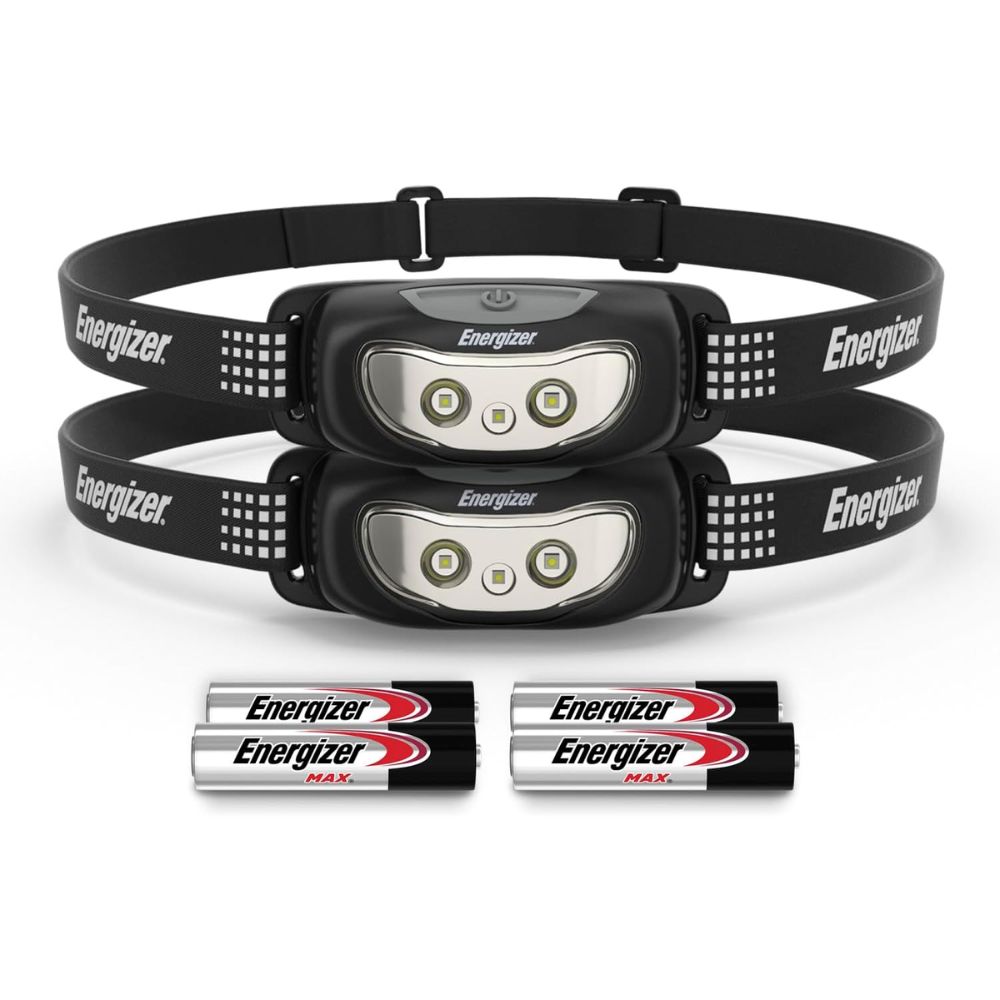
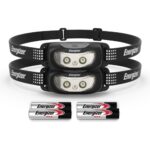
Reliable lighting is a must for early starts or late-night camps, and these headlamps deliver with simple, effective illumination up to about 40 metres. The inclusion of red light mode helps preserve night vision and avoid disturbing fellow hikers at campsites. Because two lamps are included, you can share or keep a spare in your pack; a thoughtful touch for safety-minded hikers.
Pros:
- Hands-free illumination, dual units, adjustable fit, simple to use
Cons:
- Not ultra-bright compared to high-end models, limited water resistance, and battery-powered only
Great for casual to serious hikers looking for dependable lighting on dusk and dawn trails, camp chores, or emergency situations.
#3 LifeStraw Personal Water Filter
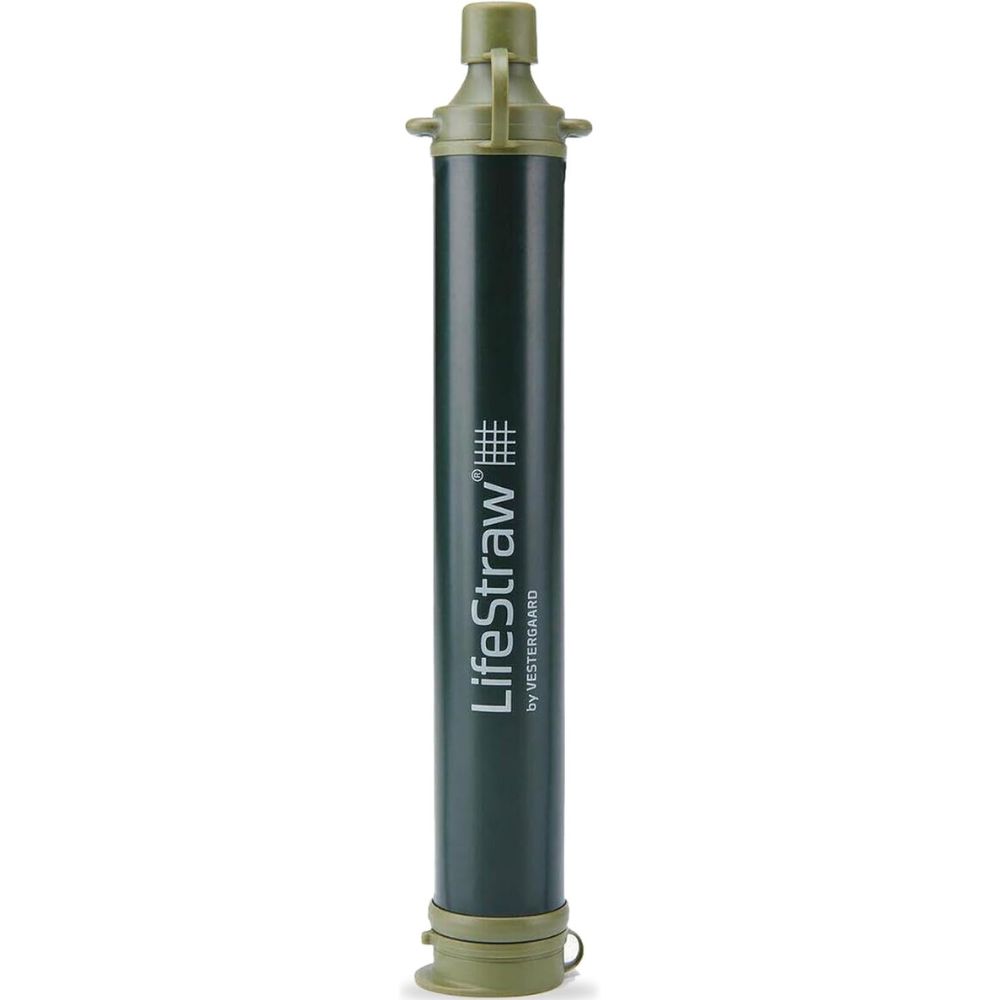
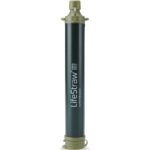
LifeStraw’s simple straw design lets you drink directly from natural water sources without carrying heavy bottles of purified water. Its ultra-fine microfilter is tested to remove virtually all harmful bacteria and protozoa, making it a lifesaver in unexpected situations where safe water isn’t available. This filter’s light weight means it won’t weigh down your pack, yet it dramatically boosts your safety margins on long hikes and wilderness treks.
Pros:
- Highly effective filtration, no batteries required, ultra-lightweight
Cons:
- Cannot batch filter large quantities, user must kneel to source water, does not remove viruses
Perfect for hikers, backpackers, and survivalists who value lightweight, dependable water purification on remote trails.
#4 Survival Whistle Kits (7-in-1)
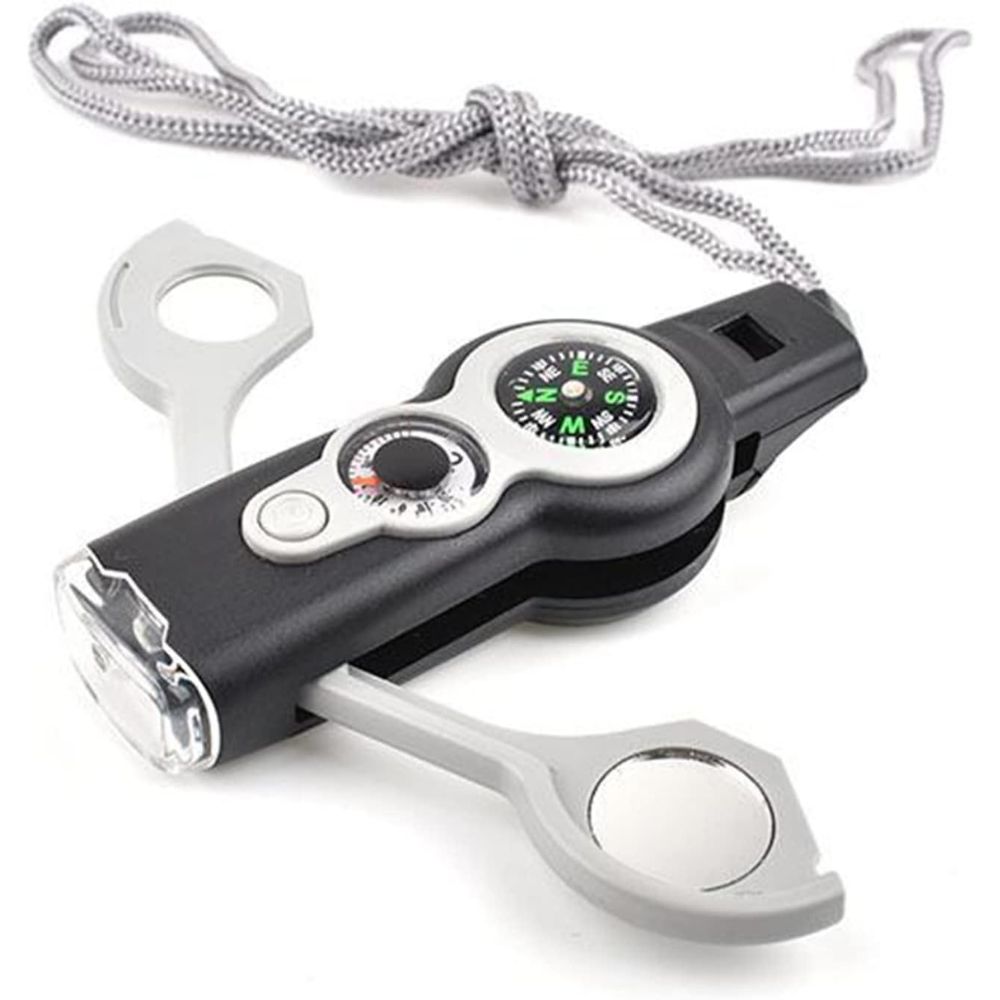
Every hiker should carry a reliable way to signal for help. A 7-in-1 survival whistle kit combines a high-decibel signal whistle with other survival-critical tools, often including a compass and fire starter. This low-cost, ultra-compact gear adds layers of preparedness without adding bulk to your pack, making it one of the most essential safety tools on a wilderness checklist.
Pros:
- Multi-function utility, lightweight, crucial emergency signaling
Cons:
- Not a substitute for training, some components small and easy to misplace
Ideal for all hikers, especially those heading into remote terrain or planning overnight trips.
#5 Garmin eTrex 32x
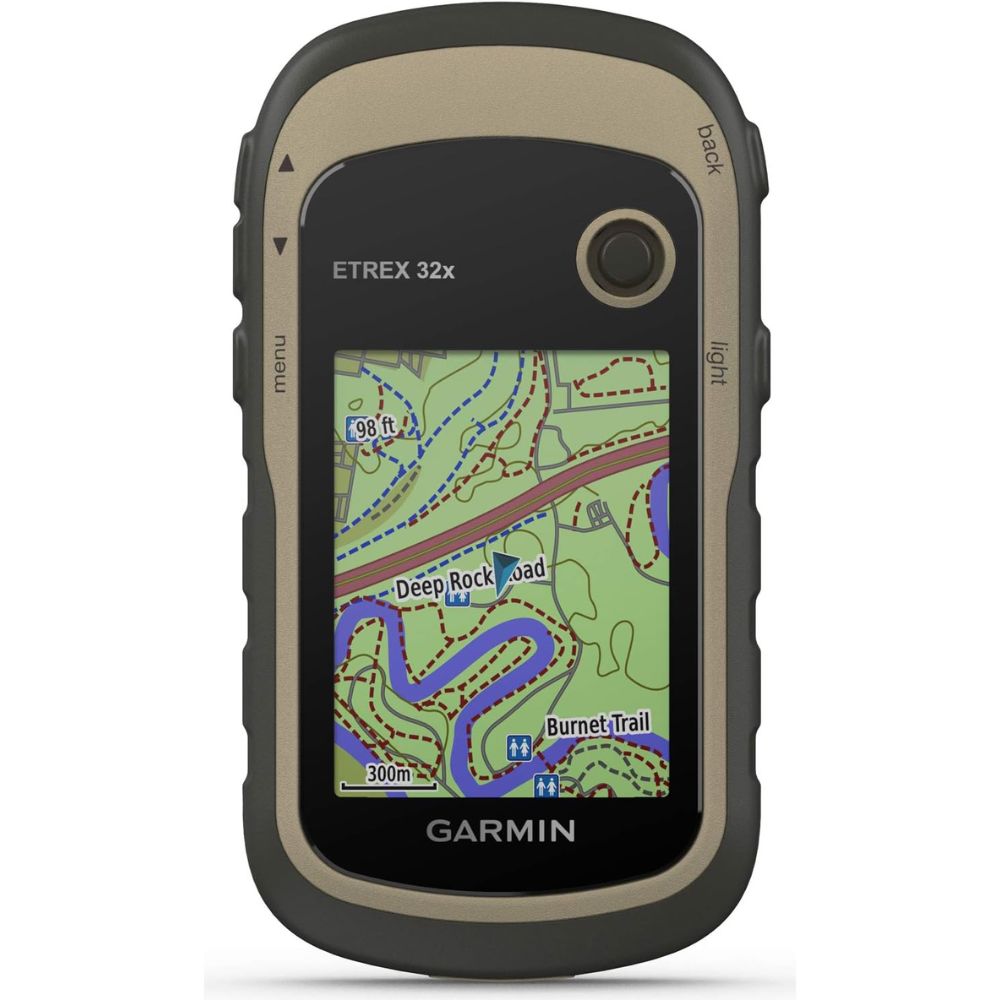
The Garmin eTrex 32x handheld GPS is a staple for serious hikers requiring reliable navigation independent of smartphones. Its preloaded TopoActive maps help guide you across trails, and support for multiple satellite systems improves tracking accuracy in challenging environments. The compass and barometric altimeter further assist situational awareness, helping you read terrain and weather trends on the go. With long battery life powered by common AA batteries, you can rely on this device deep into backcountry journeys.
Pros:
- Excellent offline navigation, robust sensors, and expandable memory
Cons:
- Display isn’t touchscreen, map detail depends on region
Best for hikers, trail runners, and backpackers who need dependable navigation tech without relying on cell service.
FAQ
Why are hiking gadgets important?
Hiking gadgets enhance safety, comfort, and preparedness, helping you navigate terrain, secure essentials like water, and respond to emergencies.
Can I rely on my smartphone instead of a GPS?
Smartphones are useful backups but often lack the rugged durability, long battery life, and offline map reliability of dedicated GPS devices.
How long do filters like LifeStraw last?
LifeStraw filters can treat thousands of liters of water before needing replacement, providing years of service for regular hikers.
Do headlamps matter if I have a flashlight app?
Yes, headlamps free your hands, provide stronger, focused lighting, and are designed for outdoor durability beyond smartphone capabilities.
What should I pack for a first multi-day hike?
Essentials include navigation tools, reliable lighting, safe water solutions, signaling gear, weather-appropriate clothing, food, and first-aid gear.