
Smart home technology has evolved from a luxury into a practical way to improve everyday living. With the right gadgets, you can automate routines, enhance comfort, and gain better control over your home environment. Whether you’re starting small or building a connected ecosystem, smart home devices offer measurable convenience and efficiency.
Disclosure: As an Amazon Associate, I earn from qualifying purchases. This means that if you click on a link and make a purchase, I may receive a small commission at no additional cost to you.

Quick Look
Why Does Anyone Need Good Gadgets That Make Your Home Smarter?
• They simplify daily routines by automating repetitive tasks like turning lights on and off or powering devices.
• They improve energy efficiency through scheduling, monitoring, and intelligent power management.
• They enhance home security with real-time alerts, motion detection, and remote access.
• They provide hands-free control using voice assistants, making multitasking easier.
• They increase overall comfort by allowing customization of lighting, ambiance, and device behavior.
• They future-proof your home by integrating with expanding smart ecosystems and technologies.
Buying Tips When Choosing Smart Home Gadgets
Smart Plugs
Choose smart plugs that are compatible with your preferred voice assistant and mobile app for seamless control. Compact designs and energy monitoring features add extra convenience and efficiency.
Smart Bulbs
Look for smart bulbs with adjustable brightness and color temperature to suit different moods and rooms. Make sure they integrate easily with your smart home ecosystem, with or without a hub.
Smart Speaker
Select a smart speaker that supports the voice assistant you plan to use across your home. Sound quality and smart home hub capabilities can significantly enhance long-term usability.
Motion Sensors
Ensure motion sensors are compatible with your smart hub and support automation triggers, not just alerts. Long battery life and adjustable sensitivity are key for reliable performance.
Smart Switch
Check that the smart switch is compatible with your home’s wiring and supports voice control and scheduling. Models that integrate smoothly with your existing smart ecosystem offer the best experience.
In-Depth Analysis
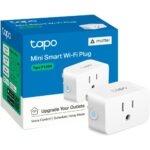
#1 TP-Link Tapo Smart Wi-Fi Plug Mini
- Compact design that fits easily into any outlet without blocking adjacent sockets
- Remote control of devices via app for effortless on/off scheduling
- Works with major voice assistants for hands-free control
- Energy monitoring to track usage and optimize efficiency
- Secure Wi-Fi connection with reliable smart home integration
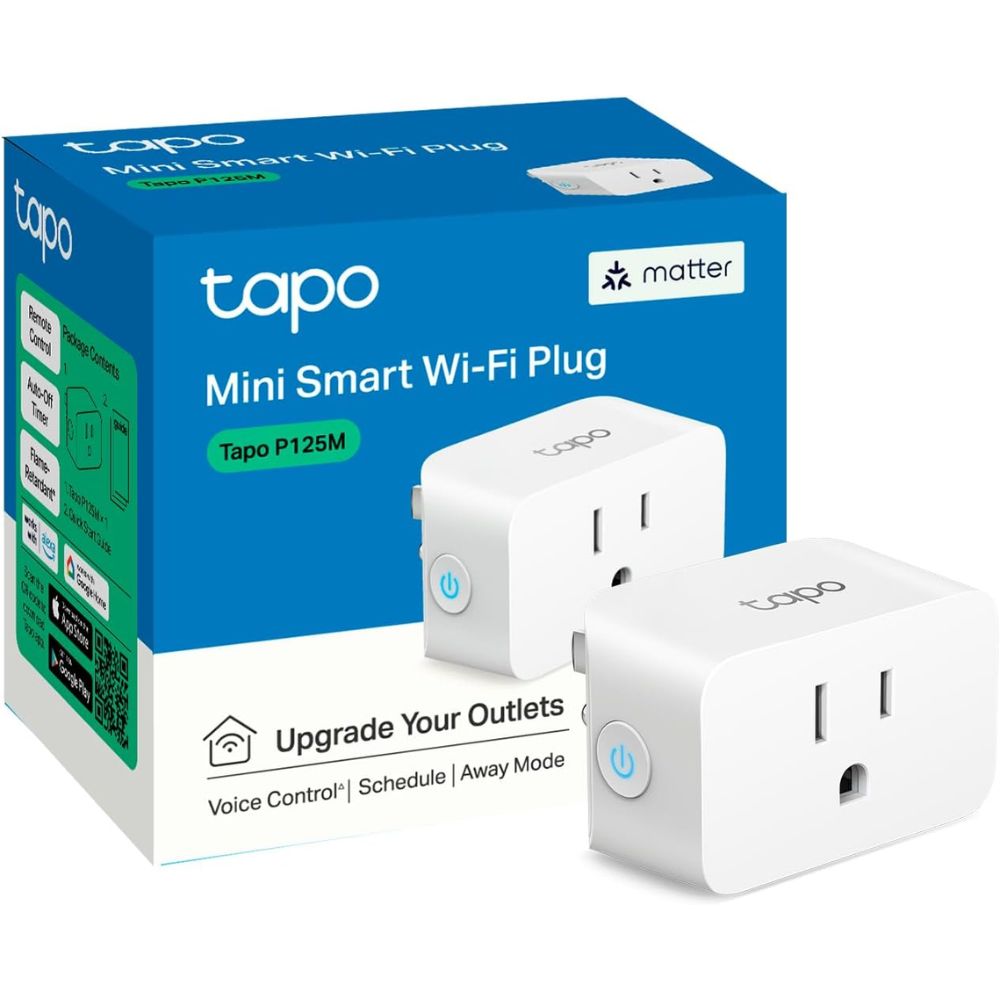
The TP-Link Tapo Smart Wi-Fi Plug Mini is a proven smart plug solution that turns ordinary devices into connected, controllable gadgets. Expert reviews highlight its easy setup and reliable connectivity, while users consistently praise its compact footprint and intuitive app interface. The energy monitoring feature provides insightful metrics that help users manage consumption and reduce wasted power.
Pros:
- Extremely easy to install and use
- Reliable app and voice assistant support
- Compact design that doesn’t block other outlets
Cons:
- Limited advanced automation beyond basic scheduling
- Wi-Fi only (no hub connection)
Perfect for homeowners and renters seeking simple power control for lamps, fans, or small appliances without investing in a central smart hub.
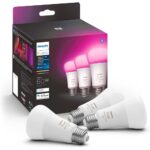
#2 Philips Hue White & Color Ambiance Bulbs
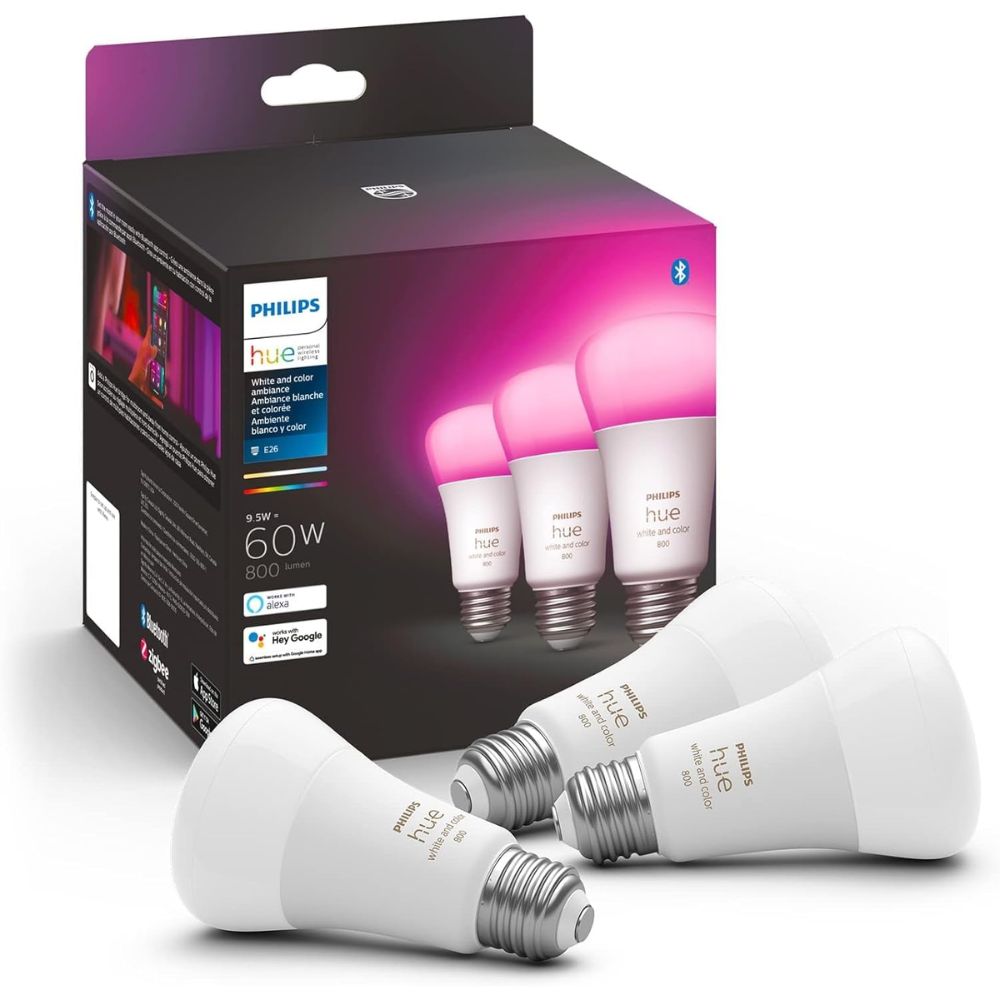
Philips Hue White & Color Ambiance Bulbs redefine smart lighting by allowing users to tailor ambiance down to the color temperature. Experts commend the broad ecosystem and app sophistication, while users often note the hue range and scene presets as standout benefits. Though it shines brightest with a Hue Bridge, even Bluetooth control is robust for smaller setups.
Pros:
- Unmatched lighting customization
- Strong third-party integrations
- Excellent app user experience
Cons:
- Best functionality requires a Hue Bridge
- Premium positioning
Ideal for design-minded homeowners and smart lighting enthusiasts who want rich, mood-based lighting control throughout their spaces.
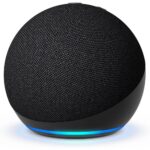
#3 Amazon Echo Dot (Latest Generation)
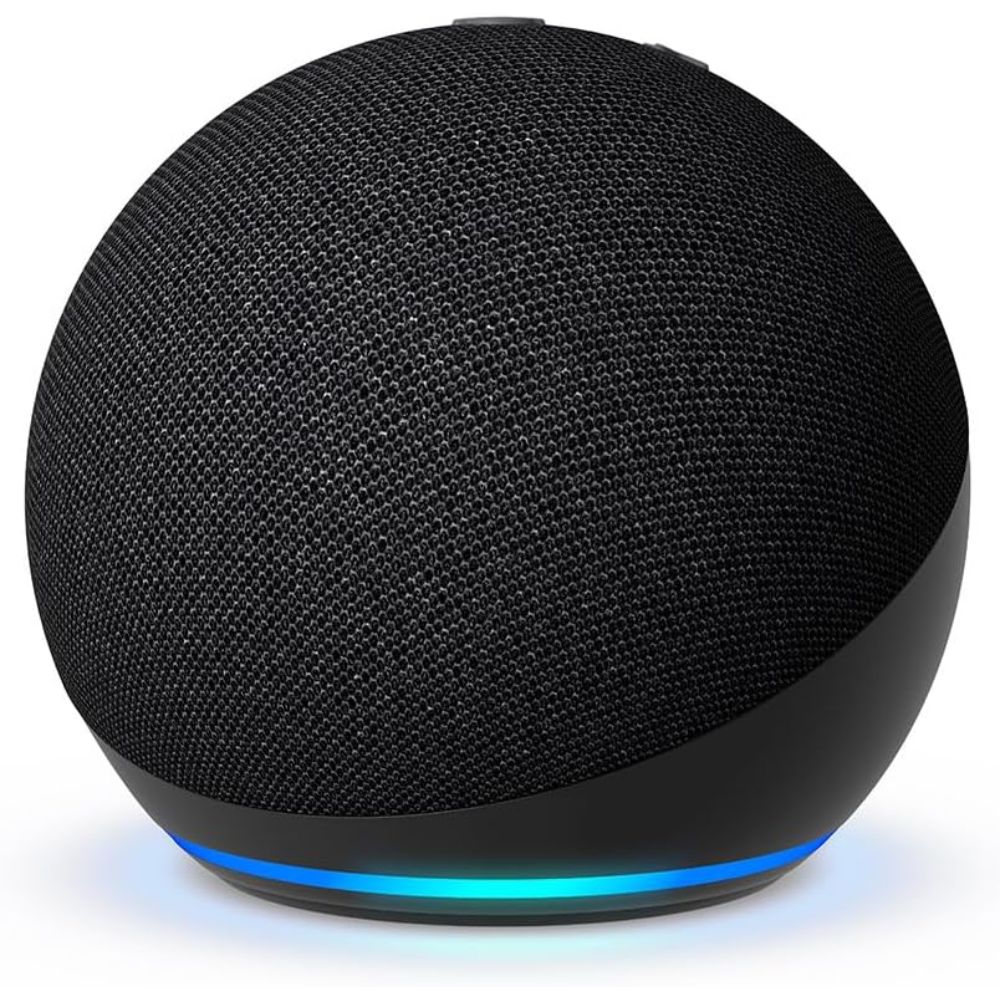
The Amazon Echo Dot continues to lead its category with a friendly voice assistant and broad third-party device support. Research highlights its utility as both a music speaker and smart home control hub, especially for users already invested in Alexa’s ecosystem. Feedback underscores that it’s consistently responsive and integrates smoothly with many devices.
Pros:
- Powerful voice control and Alexa routines
- Compact and unobtrusive form factor
- Great smart home device compatibility
Cons:
- Some advanced features may require additional setup
- Voice assistant privacy considerations for some users
Best suited for anyone who prioritizes voice control and routine automation at the heart of their smart home network.
#4 SONOFF SNZB-03 Zigbee Motion Sensor
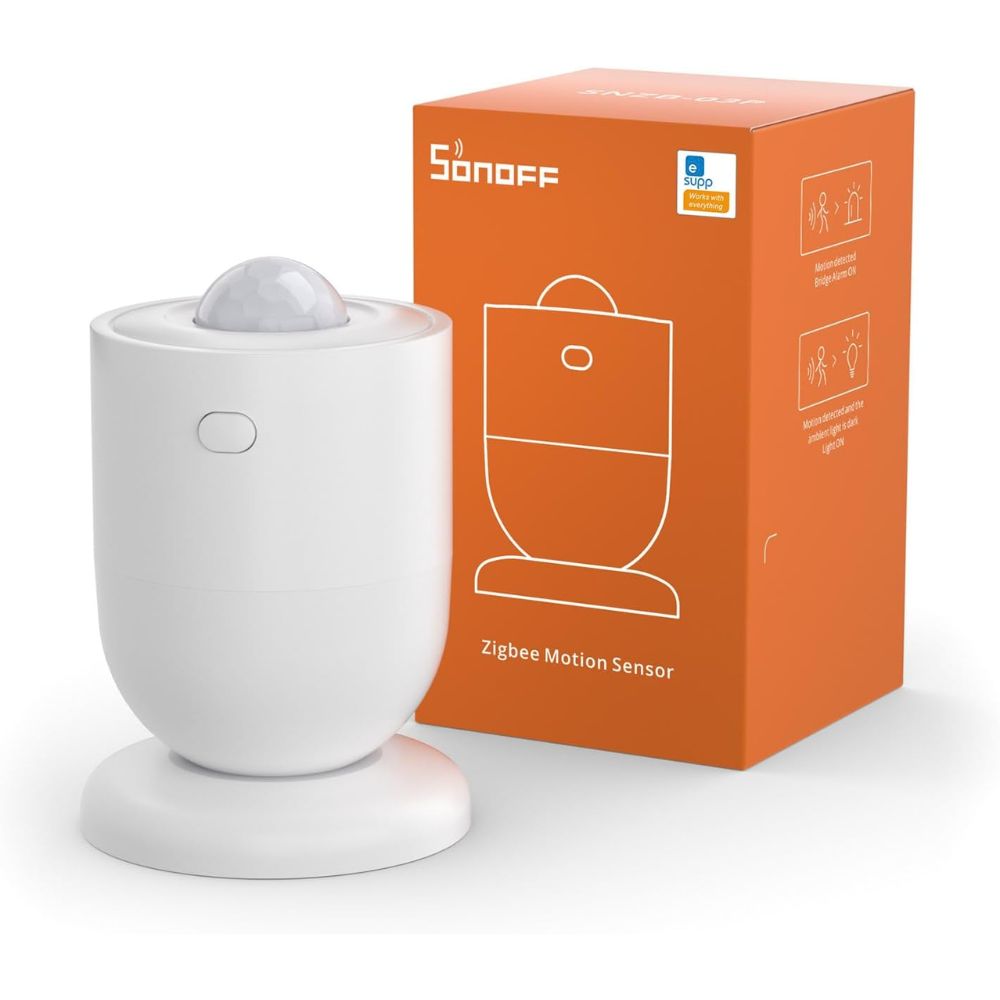
- Instant motion detection for real-time automation and security alerts
- Zigbee 3.0 connectivity for stable, low-latency communication
- Wide detection angle suitable for rooms, hallways, and entry points
- Compact, minimalist design that blends easily into home interiors
- Long battery life optimized for low-power smart home operation
The SONOFF SNZB-03 Zigbee Motion Sensor is widely regarded as a dependable entry-level motion sensor for Zigbee-based smart homes. Aggregated expert reviews highlight its fast response time and strong integration with popular Zigbee hubs, while user feedback frequently points to its consistent performance in triggering lighting and automation routines. Its lightweight build and simple mounting options make it easy to position for optimal coverage, though performance depends heavily on proper placement and hub compatibility.
Pros:
- Fast and accurate motion detection
- Stable Zigbee 3.0 connectivity with low power consumption
- Compact design suitable for discreet installation
Cons:
- Requires a compatible Zigbee hub
- Limited advanced configuration compared to higher-end sensors
The SONOFF SNZB-03 Zigbee Motion Sensor is ideal for smart home users building or expanding a Zigbee-based ecosystem who want affordable, reliable motion-triggered automation for lighting, security, or routines without unnecessary complexity.
#5 TP-Link / Tapo Smart Light Switches
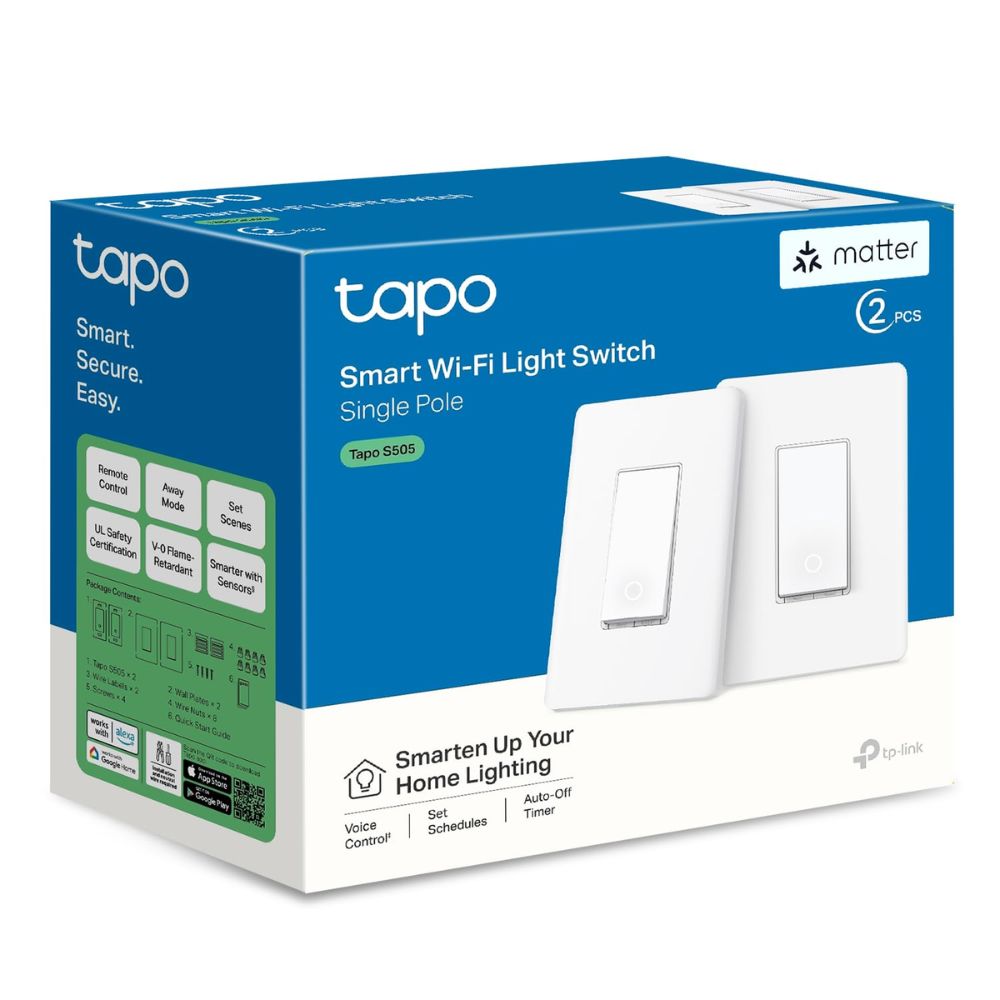
TP-Link / Tapo Smart Light Switches offer a reliable way to bring smart lighting control to every room without relying solely on bulbs. Industry commentary highlights their solid hardware and easy setup relative to other in-wall smart options, while users appreciate the convenience of app schedules and voice commands. Best results come from pairing them with a comprehensive smart home scheme.
Pros:
- Centralizes lighting control at the wall level
- Works with popular smart assistants
- Offers scheduling without extra hubs in many cases
Cons:
- Centralizes lighting control at the wall level
- Works with popular smart assistants
- Offers scheduling without extra hubs in many cases
Perfect for homeowners ready to upgrade their entire lighting control system with smart switches instead of just plug-in or bulb solutions.
FAQ
Do I need a smart hub to use these gadgets?
Not always; some devices work directly over Wi-Fi or Bluetooth, but advanced automation or Zigbee products typically require a compatible smart hub.
Can these gadgets be controlled away from home?
Yes, most support remote app control so you can manage them anywhere with an internet connection.
Are these devices secure?
Security depends on device updates and network practices; always use strong passwords and keep firmware up to date to minimize vulnerabilities.
Can motion sensors trigger lighting scenes?
Many do, especially those with scheduling and monitoring features that reduce wasted power usage.