
Compact phones are making a strong comeback, proving that powerful performance doesn’t require a massive display. After analyzing expert reviews, long-term user feedback, and official technical specifications, we’ve identified the top 5 best compact phones tailored to specific use cases. Whether you prioritize camera quality, battery life, gaming power, everyday reliability, or overall value, this guide will help you choose the right small-but-mighty device.

Disclosure: As an Amazon Associate, I earn from qualifying purchases. This means that if you click on a link and make a purchase, I may receive a small commission at no additional cost to you.
Quick Look




Table of Contents
Why You Need a Compact Phone
If you’ve been using oversized smartphones for years, you may not realize how much convenience you’re sacrificing. A compact phone brings flagship-level performance into a smaller, more manageable body, typically between 6.1 and 6.3 inches, without stripping away essential features like high refresh rate displays, powerful processors, or advanced camera systems.
For many users, the shift back to compact phones isn’t about compromise; it’s about comfort, usability, and efficiency. Modern compact phones now feature 120Hz OLED displays, 4,000mAh–4,700mAh batteries, flagship chipsets like Google Tensor or Apple’s A-series processors, and multi-lens camera systems. In other words, you’re getting nearly the same power as a large flagship, just in a smarter size.
Who Compact Phones Are For – And Who Should Skip Them
Who Compact Phones Are Perfect For
- One-Handed Users
If you frequently use your phone while commuting, walking, or multitasking, a 6.1–6.3 inch display is significantly easier to manage than a 6.7–6.9 inch device. Compact phones typically weigh between 170g–190g, making them noticeably lighter and less fatiguing during prolonged use. - Professionals and Students
Compact phones fit comfortably in pockets, small bags, and work environments where portability matters. You still get 8GB–12GB RAM for smooth multitasking, high brightness OLED panels (often 1,500+ nits peak), and reliable all-day battery. - Photography Enthusiasts
Devices like compact flagship models offer advanced camera hardware including 50MP main sensors, optical image stabilization, and computational photography features, without the bulk of large camera-focused phones. - Users Who Value Ergonomics
Large phones can cause hand strain over time. A compact phone reduces thumb stretching and improves grip security, especially if you prefer using your device without a case.
Who Should Skip Compact Phones
- Heavy Media Consumers
If you stream movies daily, play competitive games for hours, or prefer ultra-immersive viewing, a 6.7-inch display with a larger battery (5,000mAh+) might serve you better. - Users Who Need Maximum Battery Capacity
While compact phones now reach 4,500mAh-4,700mAh capacities, larger phones still hold an advantage in raw endurance. - Tablet-Replacement Users
If you rely heavily on split-screen multitasking, editing large documents, or detailed design work, a larger screen may improve productivity.
Main Benefits of a Compact Phone
- Better Portability
A compact phone easily fits into jeans pockets, small handbags, or jacket compartments. You don’t need oversized storage space or two hands to operate it comfortably. - Improved Ergonomics
Phones around 6.1-6.2 inches allow your thumb to reach most of the screen. This reduces accidental drops and makes typing, swiping, and scrolling more natural. - Flagship Performance in a Smaller Body
Modern compact phones are no longer “lite” devices. Many features:
• 120Hz OLED displays
• 8GB–12GB RAM
• Flagship processors (Tensor, Snapdragon 8 series, A-series chips)
• Advanced camera systems with optical zoom and AI enhancement
You’re not sacrificing power, you’re simply choosing efficiency.
- Balanced Battery Life
While battery size may be slightly smaller than larger models, compact phones compensate with optimized software and efficient processors. Many deliver 6–8 hours of screen-on time, which is more than enough for most users.
Problems a Compact Phone Solves
Hand Fatigue and Strain
Large phones can cause wrist discomfort, especially during extended one-handed use. Compact phones significantly reduce this issue.
Pocket Bulk and Portability Issues
A 6.8-inch phone can feel uncomfortable in slim-fit clothing. Compact phones eliminate that inconvenience.
Overpaying for Unnecessary Size
Some users buy large phones simply because that’s the industry trend — not because they need the size. A compact phone lets you focus on performance and usability rather than sheer screen real estate.
One-Handed Productivity Challenges
Typing while holding groceries? Responding to messages on public transport? Compact phones make these everyday scenarios far easier.
Buying Tips for Compact Phones
Key Takeaways
When choosing a compact phone, focus on balance:
- 6.1–6.3 inch OLED display
- 4,400mAh–4,700mAh battery
- 8GB–12GB RAM
- Reliable flagship or near-flagship processor
- Long-term software support
Buying a compact phone is not just about choosing the smallest device on the shelf. The best compact phones balance size, performance, battery life, and camera capability without major compromises. If you’re new to this category, here’s exactly what you should focus on, and what you can safely ignore.
What Actually Matters When Buying a Compact Phone
- Display Size and Usability (6.1–6.3 inches is the sweet spot)
A true compact phone typically falls between 6.1 and 6.3 inches. Below 6.0 inches is now extremely rare, and above 6.4 inches starts moving into standard-size territory.
What to look for:
• OLED or AMOLED panel
• 120Hz refresh rate (for smoother scrolling)
• Peak brightness of at least 1,000 nits (1,500+ nits preferred for outdoor visibility)
• Resolution around 1080 x 2400 (Full HD+)
If you want a phone that feels genuinely compact but still immersive, 6.1-6.2 inches is ideal.
- Battery Capacity vs Efficiency (4,200mAh-4,700mAh is ideal)
Compact phones naturally have smaller batteries than large devices. However, capacity alone does not tell the full story.
What matters:
• 4,200mAh minimum for comfortable daily use
• Efficient processor (Tensor, Snapdragon 8 series, A-series chips)
• Adaptive battery optimization software
• 20W+ fast charging (30W+ preferred for faster top-ups)
A well-optimized 4,500mAh compact phone can easily deliver 6-8 hours of screen-on time.
- Processor and RAM (Don’t Compromise Here)
Compact should not mean underpowered.
Look for:
• Flagship or upper-midrange chipset
• At least 8GB RAM (12GB if you multitask heavily)
• Storage options starting at 128GB
Avoid compact phones with entry-level chipsets if you plan to keep the device for 3–4 years. Performance longevity matters.
- Camera Hardware (Not Just Megapixels)
Megapixels alone are meaningless. A 50MP sensor with optical image stabilization (OIS) will outperform a cheap 108MP sensor without it.
What to prioritize:
• 1/1.3″ to 1/1.7″ main sensor size (larger sensor = better light capture)
• Optical image stabilization
• Dedicated telephoto lens (if zoom matters to you)
• Reliable computational photography
For most users, a strong dual-camera setup is enough. A triple-camera system adds flexibility.
- Software Support
Compact phones are long-term investments.
Look for:
• 4–7 years of software updates
• Regular security patches
• Stable user interface (clean Android, One UI, iOS, etc.)
Software longevity directly impacts how long your phone stays smooth and secure.
Specs and Features That Are Mostly Marketing Fluff
- Extremely High Megapixel Counts
200MP sounds impressive, but unless paired with a large sensor and good image processing, it won’t automatically produce better photos.
Sensor size and image processing matter more than raw megapixels.
- 144Hz or 165Hz Refresh Rates
For most users, 120Hz already feels extremely smooth. Anything beyond that offers minimal real-world difference in daily use.
- Ultra-Fast Charging Above 80W (for Compact Phones)
While fast charging is helpful, extremely high wattage often generates more heat and long-term battery wear. A stable 25W–45W charging system is more practical for most compact devices.
- AI Buzzwords Without Real Use Cases
“AI-enhanced performance” is often vague marketing language. What matters is:
• Real-time photo processing
• Voice typing accuracy
• Smart battery optimization
• On-device AI features
Focus on features you will actually use daily.
- Cosmetic Design Gimmicks
Exotic finishes, flashy color names, or minor cosmetic camera tweaks do not improve usability. Focus on ergonomics, grip comfort, and durability instead.
Common Buying Mistakes to Avoid
- Buying a Compact Phone With a Small Battery and Weak Processor
Some budget compact phones sacrifice both battery capacity and chipset power. This leads to poor long-term performance and frustrating battery life.
Minimum recommendation:
• 4,200mAh battery
• Upper-midrange or flagship processor
• 8GB RAM
- Ignoring Storage Needs
Compact phones often skip microSD card slots. If you take many photos or record 4K videos, 128GB may fill up quickly.
If possible, choose 256GB for long-term use.
- Assuming Smaller Means Cheaper
Compact does not automatically mean budget. Many compact phones are premium flagship devices. Choose based on your use case, not just size.
- Overestimating Your Need for a Large Screen
Many users believe they need a 6.7-inch display, until they try a 6.1-inch device and realize it handles 95% of tasks comfortably.
If your primary activities are messaging, browsing, social media, photography, and light gaming, a compact phone is more than sufficient.
- Ignoring Hand Feel and Weight
Weight matters. A 175g phone feels significantly different from a 210g phone over long periods. Always check weight specifications, not just screen size.
Usage Tips for Compact Phones
Key Takeaways
To get the best experience from your compact phone:
- Keep storage optimized
- Manage battery smartly
- Use adaptive display settings
- Avoid overheating scenarios
- Update software regularly
- Take advantage of one-handed features
Owning a compact phone is not just about enjoying a smaller device; it’s about optimizing it properly. Modern compact phones pack flagship-level processors, 120Hz OLED displays, and advanced camera systems into a smaller body, which means efficiency and smart usage matter even more.
If you want your compact phone to perform at its best for 3–5 years, here’s exactly how to use it correctly, and what mistakes to avoid.
How to Get the Best Results from a Compact Phone
- Optimize Your Display Settings
Most compact phones come with a 120Hz refresh rate and Full HD+ resolution (around 1080 x 2400). While 120Hz makes scrolling smoother, it also consumes more battery.
What to do:
• Use Adaptive Refresh Rate mode instead of locking at 120Hz
• Keep brightness on Auto (modern displays can hit 1,500+ nits outdoors when needed)
• Enable Dark Mode if your device uses OLED, this can reduce battery drain
If battery life matters more than ultra-smooth scrolling, switching to 60Hz can add 45–90 minutes of screen-on time.
- Manage Battery Smartly (4,200-4,700mAh Devices)
Compact phones typically have smaller batteries than large phones, so efficiency is key.
Best practices:
• Keep battery between 20% and 80% for long-term health
• Avoid frequent 0% drain cycles
• Use official chargers (20W-45W is optimal for most compact phones)
• Enable adaptive battery optimization
Most compact phones can deliver 6–8 hours of screen-on time when optimized properly.
- Use One-Handed Features
Compact phones are designed for usability. Many users forget to activate built-in one-handed modes.
Enable:
• One-handed mode (shrinks display temporarily)
• Swipe gestures instead of 3-button navigation
• Back-tap shortcuts (if supported)
• Side key customization for quick actions
These features improve speed and ergonomics dramatically.
- Maximize Camera Performance
Compact phones often include 50MP sensors with optical image stabilization (OIS) and computational photography.
To get better photos:
• Use Night Mode in low light
• Avoid digital zoom beyond 5x unless you have a telephoto lens
• Tap to focus manually in tricky lighting
• Shoot in HDR mode for high-contrast scenes
• Clean your lens regularly (small phones collect pocket dust faster)
Remember: sensor size and lighting matter more than megapixels.
- Protect Storage and Performance
Most compact phones start at 128GB without expandable storage.
To maintain smooth performance:
• Keep at least 20% storage free
• Use cloud backup for photos and videos
• Avoid installing heavy unused apps
• Restart your phone once a week to clear background processes
An 8GB–12GB RAM phone performs best when storage isn’t near full capacity.
Mistakes Users Make with Compact Phones
- Expecting Large-Phone Battery Endurance
A 4,500mAh compact phone cannot match a 5,500mAh large device under heavy gaming. If you game for 4–5 hours straight, battery drain is normal.
Solution:
Carry a small power bank or enable battery saver during long sessions.
- Overloading the Processor with High-Heat Gaming
Compact phones have less internal space for cooling. Extended gaming at maximum graphics (especially in 3D titles) may cause thermal throttling.
Avoid:
• Playing at max graphics for long periods
• Charging while gaming
• Using thick, heat-trapping cases during gaming
Let the device cool naturally if it becomes warm.
- Ignoring Software Updates
Many compact phones receive 4-7 years of updates. Skipping updates means missing performance improvements and security patches.
Enable automatic updates for long-term reliability.
- Buying the Lowest Storage Option Without Planning
128GB fills up quickly with 4K video recording (which can use 300-400MB per minute). If you shoot a lot of video, choose 256GB or manage storage actively.
- Using Maximum Brightness Indoors
Modern OLED panels can exceed 1,500 nits outdoors, but keeping brightness high indoors drains battery unnecessarily.
Use Auto Brightness to balance visibility and efficiency.
- Assuming Smaller Means Weaker
Some users disable features like 120Hz or advanced camera modes, thinking compact phones are fragile. In reality, many use flagship processors capable of heavy multitasking.
Use your compact phone confidently; it’s built for high performance.
Top 5 Compact Phones
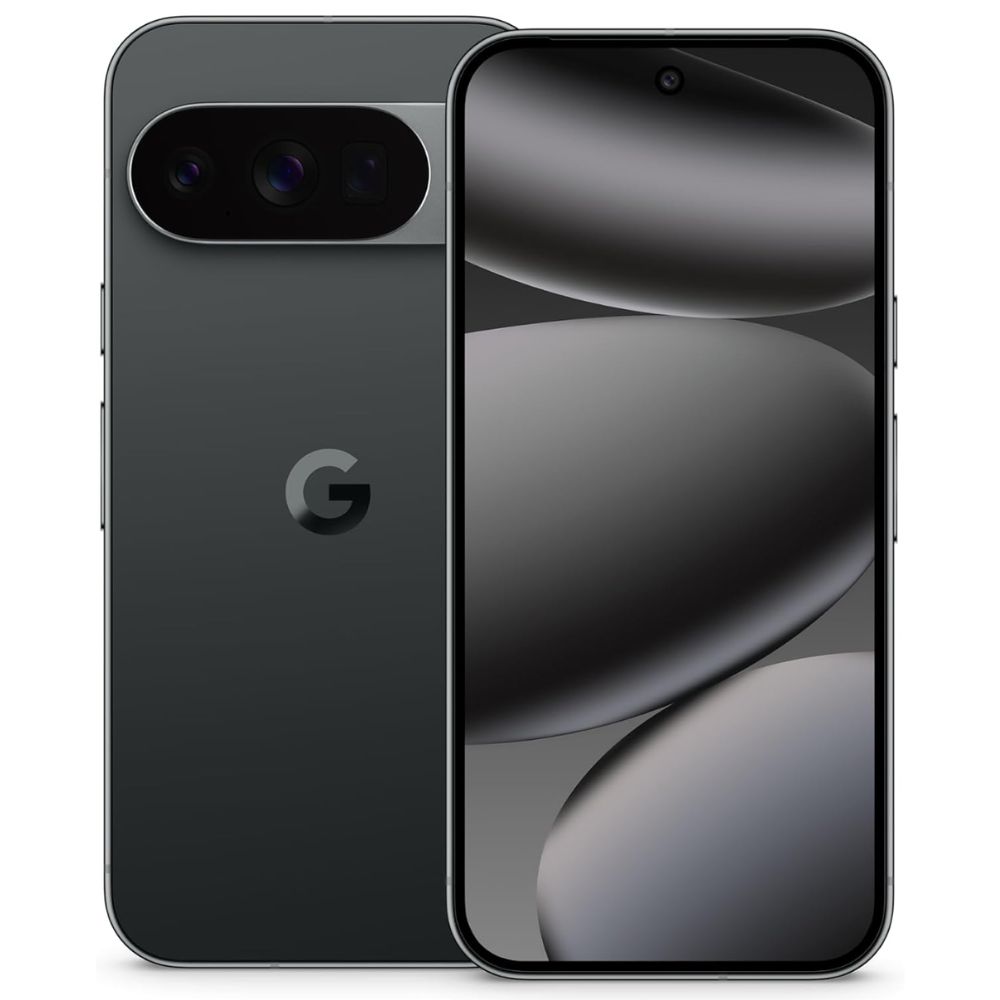
#1 Google Pixel 10 Pro
- Flagship-grade triple camera system with advanced computational photography
- Next-generation Tensor processor optimized for AI photography
- Pro-level video recording with enhanced stabilization
- Premium compact design with refined ergonomics
- Long-term Android updates and AI feature support
- Display: 6.3-inch OLED, high refresh rate
- Processor: Google Tensor (latest generation)
- RAM: 12GB
- Storage: 128GB / 256GB / 512GB
- Rear Cameras: Triple system (Wide, Ultra-wide, Telephoto)
- Front Camera: High-resolution selfie camera
- Battery: Approx. 4,700mAh
- Charging: Fast wired and wireless charging
- OS: Android (latest version)
The Pixel 10 Pro continues Google’s dominance in smartphone photography. Reviewers consistently highlight its computational photography pipeline, which blends AI-driven image processing with refined sensor hardware. Night photography, skin tone accuracy, and HDR balance are widely regarded as class-leading in the compact flagship category.
Performance is equally refined. The latest Tensor chip prioritizes AI tasks, making features like real-time photo enhancement, voice typing, and smart summaries noticeably faster. While it may not top benchmark charts, real-world usage feels smooth, responsive, and optimized for everyday multitasking.
Design-wise, Google maintains a premium yet practical build. The phone feels balanced in one hand, and user feedback frequently mentions how comfortable it is compared to oversized flagships. For creators who want professional-grade photography without carrying a large device, this is arguably the best compact option available.
Pros:
- Industry-leading camera performance
- Excellent AI features
- Premium compact design
- Strong software support
Cons:
- Not the strongest gaming chipset
- Battery life is good, not class-leading
Ideal for mobile photographers, content creators, and users who prioritize camera quality above everything else in a compact form factor.
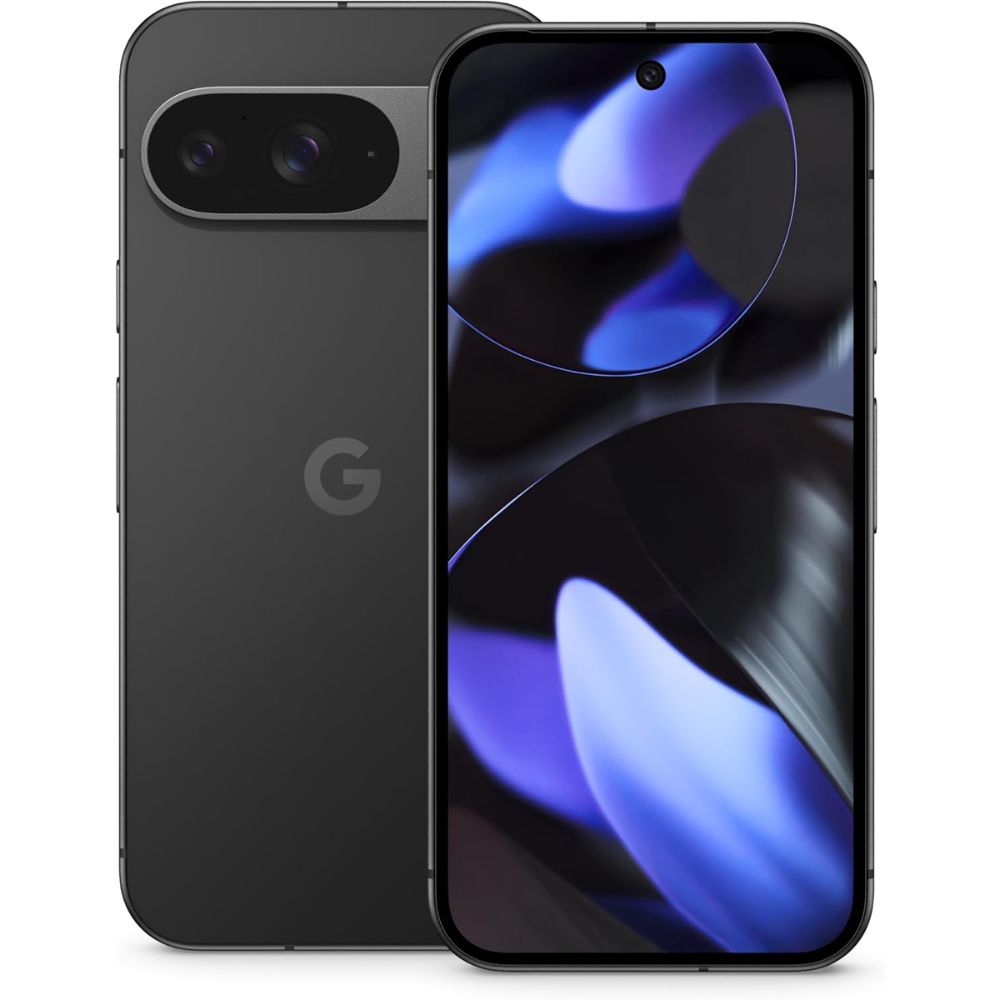
#2 Google Pixel 9
- Optimized power efficiency with Tensor chipset
- Intelligent adaptive battery management
- Bright OLED display with smooth refresh rate
- Clean Android experience
- Durable and minimalist design
Battery life is where the Pixel 9 truly stands out. Despite its compact size, reviews consistently note its impressive screen-on time and standby efficiency. Google’s adaptive battery technology intelligently limits background usage, extending endurance beyond what raw capacity numbers might suggest.
Performance is smooth and stable for daily tasks. While it’s not positioned as a gaming powerhouse, it handles social media, streaming, productivity apps, and multitasking with ease. Thermal management is improved over previous generations, resulting in more consistent sustained performance.
From a usability perspective, the Pixel 9 hits a sweet spot. It delivers flagship-level software features in a manageable size, making it an excellent choice for users who want all-day battery without stepping up to a larger phone.
Pros:
- Excellent battery efficiency
- Clean and fluid Android experience
- Comfortable compact size
- Reliable camera performance
Cons:
- No telephoto lens
- Performance not tuned for heavy gaming
Perfect for professionals, students, and travelers who need reliable all-day battery life in a compact phone.
#3 Apple iPhone 16e
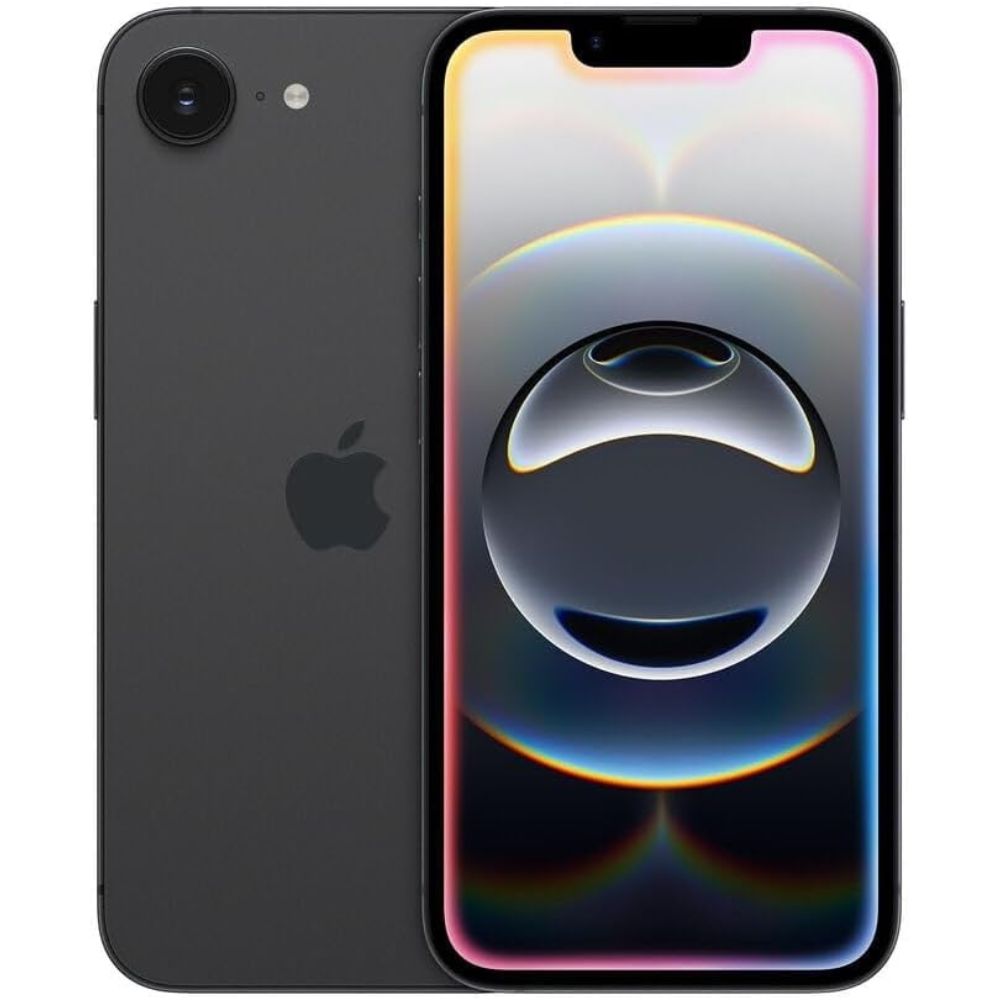
- Powerful A-series chipset for top-tier gaming performance
- Optimized iOS ecosystem
- High-brightness OLED display
- Advanced thermal efficiency
- Strong build quality with compact frame
The iPhone 16e stands out for raw performance. Apple’s A-series chipset continues to dominate performance benchmarks, delivering high frame rates in demanding mobile games. Expert reviews consistently note its stability under load and excellent graphics rendering.
Gaming performance is further enhanced by iOS optimization. Many developers prioritize iOS, resulting in smoother gameplay and faster updates. The phone’s thermal efficiency also helps maintain sustained performance without aggressive throttling.
While compact, the 6.1-inch display remains immersive for gaming. The combination of performance, display quality, and ecosystem support makes the iPhone 16e arguably the most reliable compact gaming device currently available.
Pros:
- Outstanding gaming performance
- Smooth and optimized software
- Excellent build quality
- Long software support
Cons:
- Limited customization
- Not camera-focused compared to Pixel 10 Pro
Best suited for mobile gamers, performance-focused users, and those invested in the Apple ecosystem.
#4 Samsung Galaxy S25
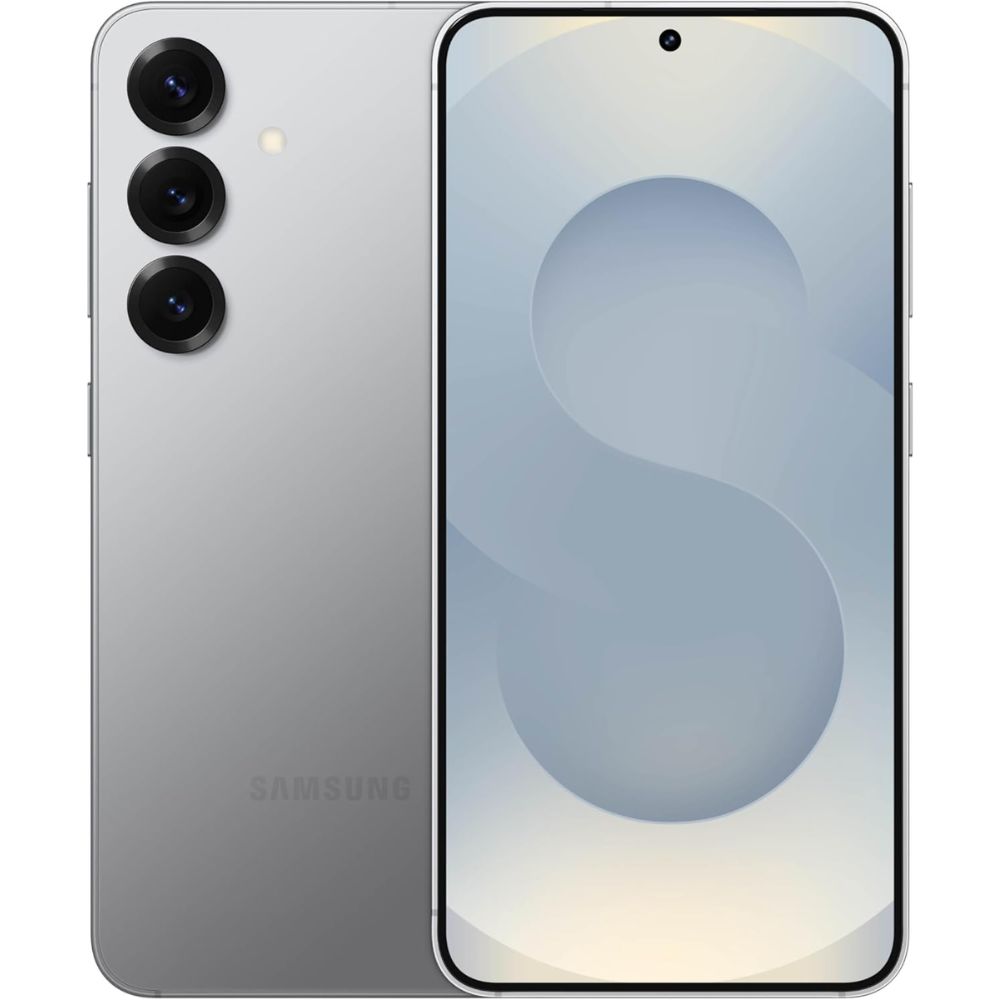
- Balanced performance and efficiency
- Compact premium design
- Versatile dual-camera system
- High refresh rate AMOLED display
- Refined One UI experience
The Galaxy S25 strikes a balance between power, design, and usability. It doesn’t aggressively target one specific feature, but instead delivers consistency across performance, display quality, and camera versatility.
Daily performance is smooth and reliable. Multitasking, browsing, streaming, and productivity tasks feel seamless thanks to Samsung’s refined One UI software and capable chipset. Reviews highlight the display as one of the best in its class, offering vibrant colors and excellent brightness.
For users who want a dependable, well-rounded compact flagship without trade-offs, the Galaxy S25 represents one of the safest choices this year.
Pros:
- Excellent display quality
- Balanced all-round performance
- Premium compact design
- Reliable brand ecosystem
Cons:
- Battery life is average
- Camera not class-leading in zoom
Ideal for users who want a dependable daily driver with no major weaknesses.
#5 Google Pixel 8a
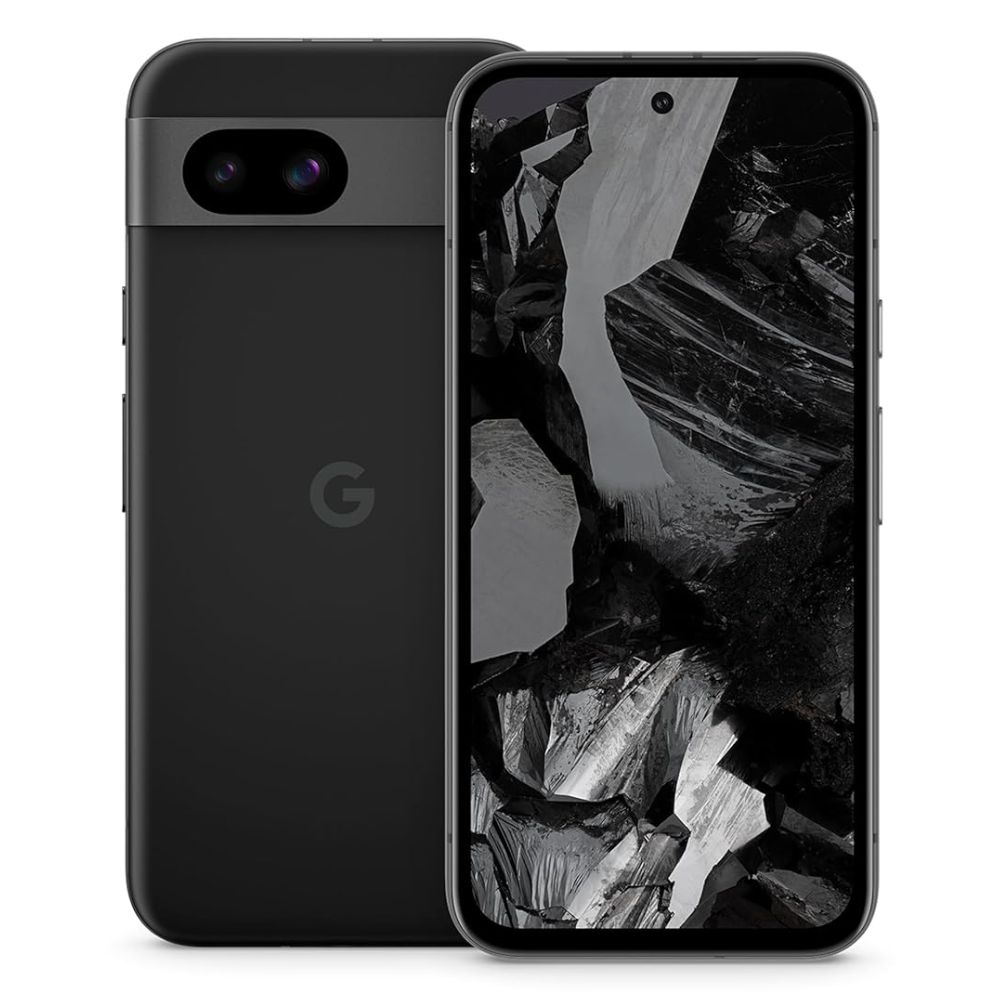
- Excellent camera for its class
- Tensor-powered AI features
- Compact and lightweight design
- Clean Android interface
- Strong long-term software updates
The Pixel 8a delivers exceptional value in the compact phone category. It brings many flagship-level features, particularly in photography and AI software enhancements, at a more accessible tier within Google’s lineup.
Performance is more than adequate for everyday use. Reviews consistently praise its camera quality, which often rivals more expensive devices in daylight and portrait photography. Battery life is respectable and optimized through software intelligence.
For users who want premium features without stepping into flagship territory, the Pixel 8a stands out as one of the smartest compact phone investments available.
Pros:
- Excellent value-to-performance ratio
- Strong camera performance
- Clean Android experience
- Good software support
Cons:
- Mid-tier performance under heavy load
- Build not as premium as Pro models
Perfect for budget-conscious buyers who still want flagship-level photography and a compact form factor.
FAQ
What qualifies as a compact phone?
A compact phone typically features a display between 6.1 and 6.3 inches, offering easier one-handed use compared to larger 6.7-inch devices.
Are compact phones less powerful than larger phones?
Not necessarily. Many compact phones use the same flagship processors as larger models, though battery capacity may be slightly smaller.
Which compact phone has the best camera?
Based on aggregated reviews and computational photography performance, the Google Pixel 10 Pro currently leads in camera quality.
Do compact phones have worse battery life?
Battery capacity is smaller, but software optimization often compensates. Devices like the Pixel 9 demonstrate excellent battery efficiency despite their size.
Are compact phones good for gaming?
Yes, especially devices like the iPhone 16e, which offer high-performance chipsets capable of running demanding games smoothly.